How ideas become things
Creative Metabolism
I take in a lot: books, conversations, images, questions, music, people, places and strange little obsessions. For a long time I thought the problem was collecting them properly. I am increasingly convinced that capture is only the beginning.
Creative Metabolism treats creativity less like a production line and more like a body. What enters the system needs attention, digestion, absorption and transformation before it can become something of your own. Then it needs expression and release. Some ideas incubate. Others are recycled. Not everything you encounter deserves to become a finished project.
The useful question is not simply “Have I saved this?” but “What is happening to it inside me?”
↺ Release makes space. Space becomes hunger. Hunger sends you foraging again.
Creative Metabolism
Forage
Encounter things. Notice, collect and gather inspiration before you know what it is for.
+Explore Forage in depthPrompt, notes & work in this stage↓
Forage is the open end of the system. Look, listen, wander, read, talk, collect, notice and follow things that tug at your attention. You do not need to know what an input is for before you let it in. Curiosity comes before utility.
The goal is not to capture everything. It is to remain permeable enough for the world to surprise you.
What keeps catching your attention before you know what it is for?
INSPIRATION
What’s catching my attention
See the Inspiration shelf →Creative Metabolism
Chew
Give it attention. Slow it down, question it, pull it apart and chew on it.
+Explore Chew in depthPrompt, notes & work in this stage↓
Chewing is attention with friction. Slow an input down. Annotate it. Sketch it. Question it. Compare it with something else. Explain it badly to another person. Pull it into smaller pieces and notice what has texture.
This is where passive consumption becomes active contact. Saving a link is not the same as chewing on an idea.
What happens if you slow this down and pull it apart?
INSPIRATION
What I’m spending time with
See the Inspiration shelf →Creative Metabolism
Digest
Let it sit. Connect the dots, combine it with what you already know and make meaning.
+Explore Digest in depthPrompt, notes & work in this stage↓
Digestion is where separate inputs begin interacting with what is already inside you. Let them sit. Connect the dots. Notice patterns, contradictions, memories and associations. The important shift is from “what did the source say?” to “what does this mean here, to me, now?”
You cannot always rush this stage. Some meaning arrives after attention has moved elsewhere.
What does this connect to inside what you already know?
In Digest right now
See all Digest projectsINSPIRATION
Things I’m still thinking about
See the Inspiration shelf →Creative Metabolism
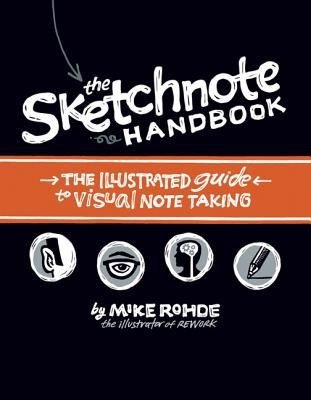
Absorb
Decide what stays. Take in what is useful and let the rest pass through.
+Explore Absorb in depthPrompt, notes & work in this stage↓
You do not need to keep everything you consume. Absorption is discernment: deciding what crosses the membrane and becomes part of your working material. Keep the sentence, principle, image, tension or question that has become useful. Let the rest pass.
Capture is storage. Absorption changes what you can think or do.
What is worth carrying forward—and what can pass through?
INSPIRATION
Things that stayed with me
See the Inspiration shelf →Creative Metabolism
Make
Transform it. Let what you absorbed become your own energy, direction and movement.
+Explore Make in depthPrompt, notes & work in this stage↓
In a body, absorbed material is converted into usable energy. In Creative Metabolism, Make is that turn: what you have taken in starts fuelling your own movement. It creates a decision, experiment, direction, constraint, question or impulse to act.
You are no longer arranging other people’s ingredients. Something inside the system is now generating energy of its own.
What new energy, decision or direction has this created?
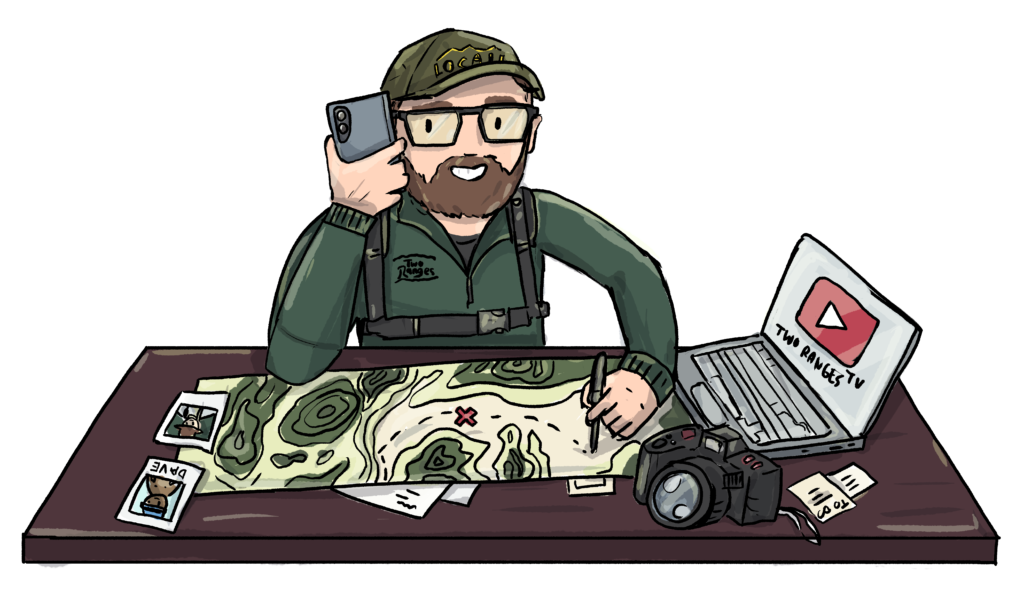
In Make right now
See all Make projectsPact / experiment
Pacts in Make
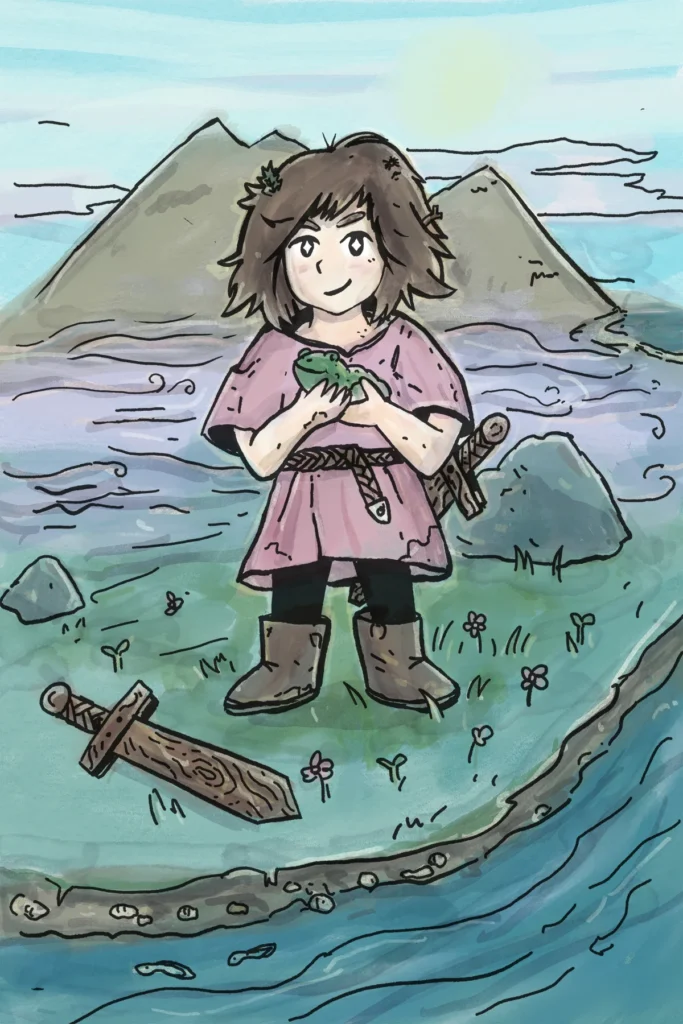
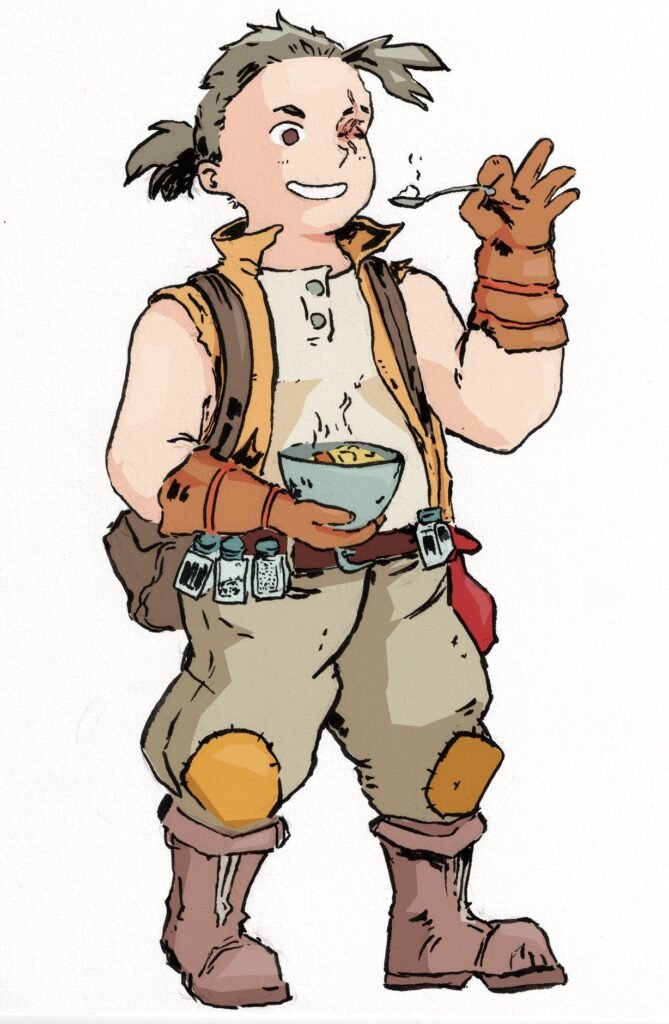
Wayfarer's Turning Card Illustration
I will Illustrate — 2 Cards each week for 3 months.
Creative Metabolism
Express
Put it into form. Create, write, draw, build, speak, prototype or perform.
+Explore Express in depthPrompt, notes & work in this stage↓
Expression gives that energy a body outside you. Draw it, write it, build it, record it, speak it, prototype it, perform it, facilitate it. Form creates useful resistance: the idea has to become this page, this image, this song, this tool, this conversation.
Expression does not require perfection. It requires contact with reality.
What form wants to exist outside your head?
Creative Metabolism
Release
Let it go. Share, publish, send it out, archive it and stop carrying it.
+Explore Release in depthPrompt, notes & work in this stage↓
Release is the end of carrying. Publish, send, show, hand over, perform, archive or otherwise let the thing leave your private internal loop. Other people can now encounter it, use it, misunderstand it or respond to it.
Release also means stopping. A thing can be complete enough without containing every possibility you imagined for it.
What would change if you let this leave your hands?
Not every idea moves in a straight line
Side processes that keep the cycle alive
Side process
Incubate
Some things need time more than effort. Let them live quietly without forcing an outcome.
+Explore Incubate in depthPrompt, notes & work in this stage↓
Some things are alive but not ready for active work. Incubation is deliberate non-interference: keep the idea somewhere safe, then give it time, distance and new experience. It is not an anxious backlog and it is not procrastination disguised as process.
The question is whether the idea needs more effort—or a darker, quieter place to change.
Does this need more effort—or more time?
Side process
Recycle
Nothing is wasted. Break old work down, learn from it and let its material become useful again.
+Explore Recycle in depthPrompt, notes & work in this stage↓
Nothing has to remain a half-alive obligation. Old drafts, failed experiments, abandoned projects and rejected directions can be broken down and returned to the system. Salvage the image, sentence, technique, lesson or question; release the project that used to contain it.
Creative waste becomes material when you stop asking it to become what it was originally meant to be.
What can stop being an obligation and become material again?

A living archive
The metabolism right now
A live view of what is being made, incubated, released, or broken down for another pass through the system.

Make
Transform it. Let what you absorbed become your own energy, direction and movement.
Incubate
Some things need time more than effort. Let them live quietly without forcing an outcome.
Release
Let it go. Share, publish, send it out, archive it and stop carrying it.
Recycle
Nothing is wasted. Break old work down, learn from it and let its material become useful again.